Hey there! 👋
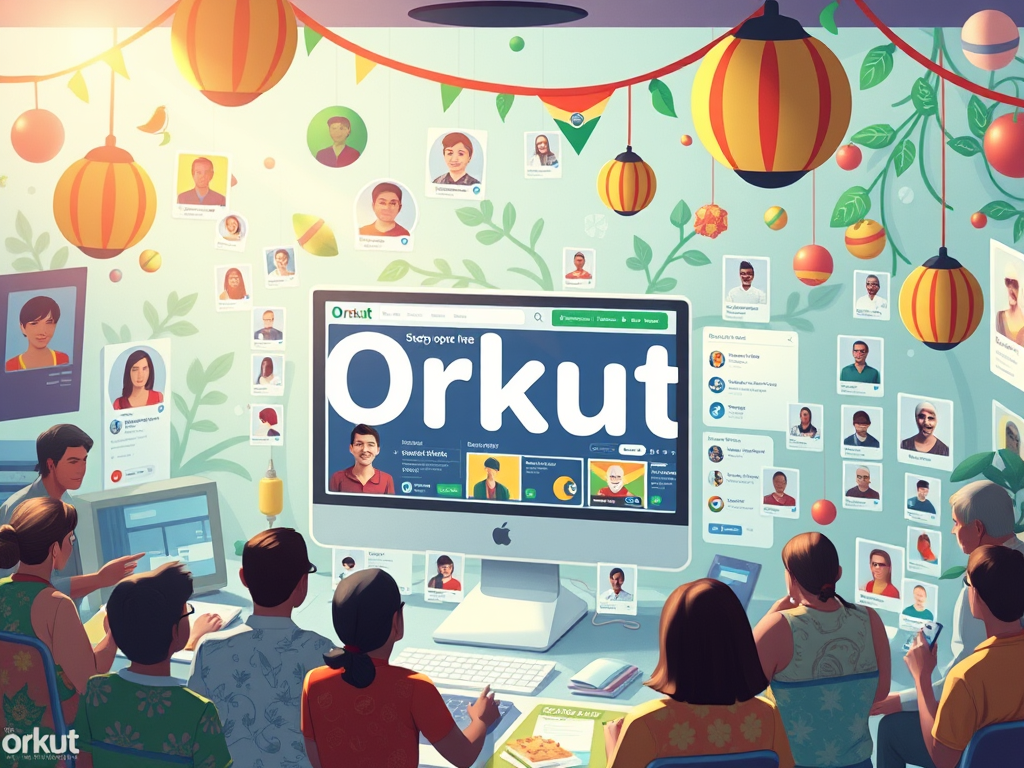
You might remember the early days of social media if you’re a millennial like me. This was before Facebook, Instagram, or TikTok took over our feeds. One platform that played a significant role in shaping our online social lives was Orkut. Launched in 2004 by Google, Orkut quickly became a sensation, especially in Brazil and India. But despite its early success, it eventually faded into obscurity. So, what happened? Let’s dive into the Orkut case study and explore the lessons it offers for today’s social media marketers.
🌍 Cultural Localization: Speaking the Language of Your Audience
One of Orkut’s standout features was its ability to resonate deeply with Brazilian users. Orkut tailored the platform to local preferences. It allowed users to customize their profiles with colorful themes. Additionally, it integrated with Google Talk. These features created an environment that felt personal and engaging. This cultural alignment helped the platform achieve over 70% market penetration in Brazil at its peak.
For marketers today, this underscores the importance of cultural localization. Simply translating your content is not enough. You need to adapt it to fit the cultural nuances and preferences of your target audience. Whether it’s through language, design, or features, aligning your platform with local cultures can foster deeper connections and loyalty.
🧑🤝🧑 Community Building: Creating Spaces for Genuine Interaction
Orkut’s emphasis on community was another key to its success. The platform allowed users to create and join communities based on shared interests, hobbies, or affiliations. This feature turned Orkut from just a social network into a vibrant ecosystem of niche groups. It fostered authentic interactions among users.
In today’s social media landscape, community building remains a powerful strategy. Brands that create and nurture communities around shared values or interests can cultivate a loyal and engaged audience. It’s about moving beyond transactional relationships to building meaningful connections.
⚙️ UX Challenges: The Importance of Seamless User Experience
Despite its cultural resonance and community focus, Orkut faced significant challenges in user experience. Users were frustrated by slow load times. The limited photo-sharing capabilities also caused frustration. Additionally, a cumbersome friend request system hindered the platform’s growth.
This highlights a crucial lesson for modern marketers: user experience is paramount. A beautiful design is meaningless if the platform is difficult to use. Ensuring a seamless, intuitive experience can make the difference between a user staying or leaving.
📉 The Fall: Lessons in Adaptability and Innovation
Ultimately, Orkut’s inability to innovate and adapt to changing user expectations contributed to its decline. As platforms like Facebook introduced new features and improved user experiences, Orkut struggled to keep up. The lack of a clear monetization strategy further compounded its challenges .
For today’s marketers, this serves as a cautionary tale. The digital landscape is constantly evolving, and staying stagnant can lead to obsolescence. Embracing innovation, listening to user feedback, and being willing to pivot are essential for long-term success.
💡 Final Thoughts: What Orkut Can Teach Us
Orkut’s journey—from rapid rise to eventual fall—offers valuable insights for social media marketers:
- Cultural Localization: Tailor your platform to resonate with local audiences.
- Community Building: Foster authentic interactions through shared interests.
- User Experience: Prioritize seamless, intuitive design.
- Adaptability: Stay agile and open to innovation.
By applying these lessons, brands can navigate the complexities of social media marketing. They can build platforms that not only attract users but also keep them.
I’d love to hear your thoughts on Orkut and how its story resonates with your experiences in social media marketing. Drop a comment below & keep the conversation going!

 Real Talk With MVP
Leave a comment